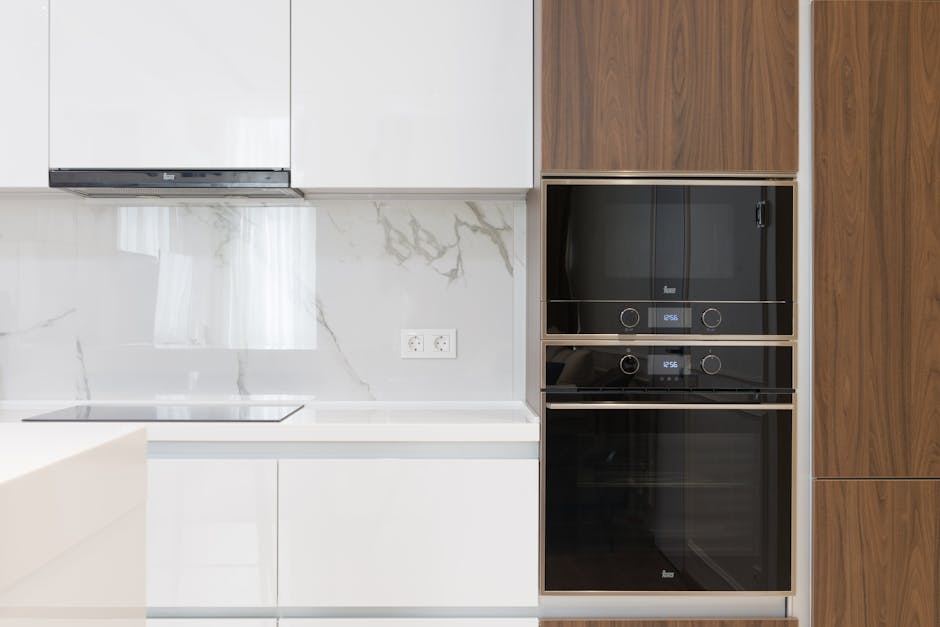
Oven cleaning Hither Green flats shops safe deep clean
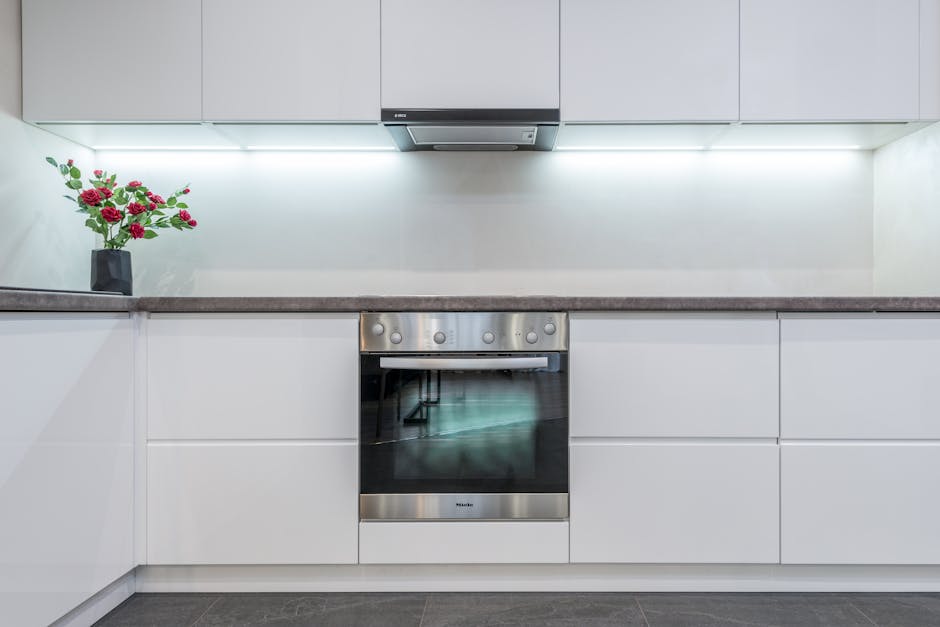
If your oven has reached that slightly embarrassing stage where the glass looks cloudy, the trays are sticky, and every roast seems to leave a little reminder behind, you are not alone. In Hither Green flats and shops, ovens work hard: compact kitchens, shared spaces, busy breakfast rushes, and not enough time to deal with burnt-on grease properly. A safe deep clean is not just about making the appliance look better. It is about hygiene, fire risk reduction, better cooking results, and protecting the finish and components so the oven lasts longer.
This guide explains how oven cleaning in Hither Green flats and shops works, what "safe deep clean" really means, which methods are worth using, and the mistakes that can turn a simple job into a costly one. You will also find a practical checklist, a comparison table, and a realistic example from day-to-day local life. Nothing dramatic. Just the sort of advice that helps when you need the oven sorted properly and, frankly, want the job done without fuss.
Why Oven cleaning Hither Green flats shops safe deep clean Matters
Ovens collect more than visible dirt. Grease vapour settles on racks, side panels, glass doors, seals, and fan covers. Over time, heat bakes that residue into a stubborn coating. In a flat, that can mean lingering smells and smoke every time you switch the oven on. In a shop, especially where food is prepared or reheated through the day, it can affect output, presentation, and the impression customers get as soon as they walk in.
A safe deep clean matters because it tackles the build-up without damaging the appliance or creating hazards. Some people try to blast through the job with harsh chemicals, metal scourers, or too much water. That is where trouble starts. Control matters more than speed. A proper clean should remove carbonised grease, sanitise touchpoints, and leave the oven ready to use with no chemical aftertaste. Sounds simple, but the details are what make the difference.
There is also a practical side. Clean ovens heat more evenly, food tastes better, and the appliance usually smells less when first switched on. That is useful in a small Hither Green flat where open-plan kitchens carry smells quickly, and in a shop where customers, staff, and deliveries all happen in a fairly tight rhythm. One burnt tray can make the whole place feel a bit off, to be fair.
When you choose a safe deep clean rather than a quick wipe-down, you are also protecting enamel, glass, fan vents, and seals. Those parts are easy to overlook until they crack, stain permanently, or stop working properly. Then the job is no longer cleaning; it is repair. And nobody wants that surprise.
How Oven cleaning Hither Green flats shops safe deep clean Works
A safe deep clean is usually a staged process. It starts with turning the appliance off, letting it cool fully, and checking the type of oven you have. Some are single ovens, some double, some built-in, and some include self-cleaning or pyrolytic features. Each one needs a slightly different approach. Truth be told, that first look saves more mistakes than most people realise.
The basic process is usually:
- Inspect the oven, trays, racks, fan area, door glass, seals, and controls.
- Protect surrounding cabinets, floor space, and nearby surfaces.
- Remove loose parts where appropriate, such as trays and racks.
- Apply the right cleaning solution or paste to greasy areas.
- Allow dwell time so residue softens instead of being forced off.
- Agitate gently using non-abrasive tools.
- Wipe away residue carefully and repeat where needed.
- Polish glass, refit components, and check that everything is dry and safe before use.
The "safe" part is not a marketing word. It means using methods that are suitable for the appliance finish and the environment around it. In flats, that might mean working neatly in a compact kitchen with limited ventilation. In shops, it may mean choosing a cleaner approach that reduces disruption and gets the oven back into service quickly. You do not need to overcomplicate it, but you do need to respect the appliance.
A deep clean can be done with professional-grade products, gentle alkaline cleaners, steam-assisted methods where appropriate, or a careful combination of soaking and hand detailing. The right choice depends on the oven's condition. Heavy carbon build-up around the fan and door edges often needs more time, not more force. That is a useful thing to remember.
Key Benefits and Practical Advantages
The biggest benefit is obvious: the oven looks and smells cleaner. But the real value goes beyond appearance. If you are deciding whether a proper deep clean is worth it, these are the practical gains that tend to matter most.
- Better cooking results: heat distribution tends to improve when vents, glass, and interiors are free from baked-on residue.
- Less smoke and odour: old grease can burn off every time the oven heats up, which is especially annoying in smaller flats.
- Longer appliance life: keeping seals, fans, and panels cleaner can reduce wear.
- Safer operation: built-up grease is not something you want sitting in a hot appliance for months on end.
- More hygienic food prep: a clean interior helps reduce contamination from old spills and crumbs.
- Better first impression: shops, cafes, takeaways, and even shared kitchens benefit from cleaner equipment that looks cared for.
Another advantage is psychological, oddly enough. A properly cleaned oven changes the feel of the kitchen. It looks under control. A lot of people keep putting off the task because they assume it will be a horrid half-day of scraping and fumes. It does not have to be like that. When done properly, the process is orderly and surprisingly satisfying. There is a moment when the glass clears and you think, right, that is better.
If you already maintain other soft furnishings or floor areas in the property, it can also make sense to pair oven cleaning with other jobs. For example, a full property refresh often includes carpet cleaning or upholstery cleaning to bring the whole space back into shape. Not mandatory, of course, but it can be a sensible part of a deeper reset.
Who This Is For and When It Makes Sense
This kind of cleaning makes sense for more people than you might think. It is not only for "extreme" ovens or commercial kitchens that have clearly had a rough year. A safe deep clean is often a smart choice in very ordinary situations.
- Flat owners and renters who want a cleaner, less smoky kitchen and a more pleasant everyday cooking setup.
- Landlords and letting agents preparing a property for new tenants.
- Shop owners who use ovens for food prep, reheating, or display items and need the kitchen area to stay presentable.
- Shared households where regular cleaning has slipped, and nobody wants to be the one scrubbing burnt-on drips at 10pm.
- Busy families who use the oven frequently and notice smoke, greasy residue, or stubborn smells.
It is usually worth arranging a deep clean when you notice any of these signs:
- smoke when preheating
- strong burnt odours
- grease splashes on the glass door
- dark build-up on the fan or side panels
- sticky racks or trays
- food smelling "off" even though the ingredients are fine
If you run a shop, regular cleaning can be especially useful before busy trading periods, after refurbishment, or when preparing for an inspection or inventory check. A clean oven is not a luxury in that setting. It is part of keeping the place calm, credible, and ready to work.
Step-by-Step Guidance
Here is a practical way to think about oven cleaning without turning it into a science project. It is easier if you approach it in stages.
1. Assess the oven first
Look at the type of oven, the level of grease, and any delicate parts. Check whether there are self-cleaning functions, exposed heating elements, or areas that should not be flooded with liquid. That quick assessment shapes the whole job.
2. Clear the surrounding area
Remove tea towels, chopping boards, packaging, and anything fragile nearby. In a small flat kitchen, this matters even more because a splash or drip lands everywhere. It always seems to, doesn't it?
3. Remove trays, racks, and loose parts
These parts are usually cleaned separately. Soaking them can reduce scrubbing time and help you avoid damaging the oven cavity with aggressive tools.
4. Apply the right product or method
Use a solution suitable for the finish. Enamel, glass, stainless steel, and seals each react differently. The aim is to soften grime, not strip the surface. Give the product time to work. Rushing this step often means more elbow grease later.
5. Detail carefully
Use non-abrasive cloths, soft pads, and brushes that can get into corners without scratching. Gently lift residue from the door edges, fan cover, and corners where grease tends to gather. The detail work is where the visible change happens.
6. Rinse and remove residue
Wipe thoroughly so no cleaner is left behind. A safe deep clean should not leave streaks, powder, or chemical smell hanging around once the oven heats up.
7. Dry, reassemble, and test
Make sure everything is dry before switching the oven back on. Replace racks and trays only when the surfaces are safe to handle. Then run a short heat cycle if needed, with good ventilation. A little patience here saves a lot of annoyance later.
For people managing multiple cleaning tasks at once, it can help to coordinate oven work with stain removal elsewhere in the property or office. Not because the jobs are identical, but because a coordinated cleaning plan is simply easier to live with.
Expert Tips for Better Results
Most of the best results come from small decisions made before the scrubbing starts. Here are the bits that make a difference in real homes and shops.
- Do not over-wet the appliance. Electronics, fans, and control areas do not enjoy excessive moisture.
- Let products dwell. A little waiting beats hard scrubbing every time.
- Use soft tools near seals and glass. Scratches are very hard to reverse.
- Clean from the top down. Otherwise grime simply drips onto freshly cleaned areas.
- Ventilate the room well. Especially in compact flats, where smells linger after the job is done.
- Test any cleaner on a small area first. Sensible, boring, effective.
One more thing: do not judge the job too early. Some ovens look only slightly better after the first wipe, then suddenly transform once the softened grease is removed in layers. It is a bit like cleaning a window on a grey day. Nothing, nothing, and then suddenly the room feels brighter.
If you are cleaning a commercial kitchen or retail prep space, it is also worth building oven care into a wider routine. A cleaner work environment can sit alongside commercial carpet cleaning or steam carpet cleaning where relevant, especially if the space sees regular footfall and food handling.
Common Mistakes to Avoid
Most oven cleaning problems come from either impatience or using the wrong method. The good news is that these mistakes are easy to avoid once you know what to watch for.
- Using metal scourers on glass or enamel. It may shift grime, but it can leave scratches that never quite disappear.
- Spraying too much liquid into the oven. Water can sneak into places it should not.
- Forcing components off. If a rack or panel resists, check the fitting rather than yanking it.
- Mixing cleaning products. This is a poor idea in almost every case, and not worth the risk.
- Switching the oven on before it is dry. That can create smells, streaks, or avoidable damage.
- Ignoring the fan area. Grease often hides there, and then reappears as smoke later.
There is also a subtle mistake people make in flats: they assume the kitchen is too small for proper cleaning, so they rush. In reality, small kitchens just need a tidier setup and a calmer sequence. That is all. A little less chaos, a little more method.
Tools, Resources and Recommendations
You do not need a van full of equipment to clean an oven safely, but you do need the right basics. The tools should support careful work rather than brute force.
- microfibre cloths
- soft non-scratch pads
- detail brushes for corners and seals
- protective gloves
- bucket or tray for soaking removable parts
- paper towels or absorbent cloths for final drying
- an appropriate oven-safe cleaning solution
For business owners or landlords, it helps to keep a simple cleaning record: date, condition, any damage spotted, and whether seals, hinges, or lights looked normal. That is not about paperwork for its own sake. It helps you spot recurring issues before they become expensive.
If you are comparing providers or checking what a service should include, the pages on pricing and quotes, insurance and safety, and health and safety are sensible places to start. They help you judge the service in a more grounded way, rather than going on guesswork.
And if you want a broader view of the company behind the service, the about us page gives useful background, while contact us is the obvious next step when you are ready to ask a question. Simple, really.
Law, Compliance, Standards and Best Practice
For domestic ovens, there usually is no special legal drama in ordinary cleaning itself. The bigger issue is safe practice, responsible product use, and sensible handling of equipment, especially where a shop, rental property, or shared accommodation is involved. If cleaners are working in a business setting, they should follow appropriate workplace health and safety procedures, use products according to instructions, and avoid creating slip, electrical, or chemical hazards.
In practical terms, best practice means:
- keeping the appliance switched off and cool before cleaning
- avoiding harsh abrasives that can damage surfaces
- ventilating the area during and after cleaning
- storing chemicals properly and using only what is needed
- taking care around electrical parts, lights, and fans
- not leaving a wet appliance to be turned on again immediately
For shops, there may also be internal standards around hygiene, staff welfare, and customer-facing presentation. Those standards vary by business, of course, so it is better to treat them as practical operating expectations rather than something one-size-fits-all. If food is involved, cleanliness and safe handling matter even more.
One sensible sign of professionalism is transparency. A provider should be clear about what is included, how they handle access, what happens if something is damaged, and how complaints are managed. That last part is not a gloomy detail; it is part of trust. If you want to know how a company handles problems, the complaints procedure is a useful page to review.
Security and customer data matter too, especially when payments or bookings are involved. For that side of things, the payment and security and privacy policy pages provide helpful reassurance without making you chase details across the site.
Options, Methods, or Comparison Table
Not every oven needs the same treatment. The right approach depends on the grime level, the oven type, the setting, and how quickly it needs to return to use. Here is a straightforward comparison.
| Method | Best for | Pros | Watch-outs |
|---|---|---|---|
| Light manual clean | Regular upkeep, newer ovens, low grease build-up | Quick, low disruption, inexpensive in materials | May not remove stubborn carbon deposits |
| Detailed deep clean | Most home ovens and lightly used shop ovens | Better finish, more thorough, improves smell and appearance | Takes longer and needs careful drying |
| Soak-and-detail method | Heavy racks, trays, and built-up residue | Softens grime, reduces scratching risk | Requires planning and waiting time |
| Professional-grade safe clean | Busy households, flats, shops, or badly neglected ovens | Efficient, thorough, less hassle for the customer | Needs a trustworthy, careful approach |
In a flat, the detailed deep clean is often the sweet spot. In a shop, the professional-grade safe clean is usually the most practical route because it reduces downtime and keeps standards consistent. If the oven is a special type, such as one with a delicate finish or integrated controls, the method should be chosen conservatively. Better safe than sorry, as they say. And yes, a little boring sometimes means very effective.
Case Study or Real-World Example
Picture a small Hither Green flat with an open-plan kitchen. The tenant has been using the oven heavily through winter: tray bakes, roasted vegetables, a few accidental overflows, and one very overdone pie that nobody wants to discuss again. The door glass has gone dull. When the oven heats up, the room carries a faint burnt smell.
Instead of attacking it with a harsh spray and a metal pad, the clean is done in stages. The racks are removed and soaked. The cavity is inspected first, then treated with a suitable cleaner and left to dwell. Grease around the fan and door edge is lifted gently, not scraped. The glass is cleared last, once the residue has softened properly. The whole kitchen is ventilated, and everything is dried before the oven is used again.
The result is not just visual. The tenant notices less smoke on preheat, the kitchen smells cleaner, and the oven feels easier to live with. That may sound like a small thing, but in a flat, small things matter. You feel it every day.
Now imagine the same principle in a small shop kitchen. Staff can return to work faster because there is less lingering grease smell, the oven presents better during a quick inspection, and there is no awkward moment when a customer spots grime through the back of house. Clean equipment quietly supports the whole operation. Not glamorous, maybe. But genuinely useful.
Practical Checklist
Use this checklist before, during, or after an oven deep clean. It is simple, but it helps keep the job safe and complete.
- Is the oven fully cool and switched off?
- Have nearby items been cleared away?
- Have racks, trays, and loose parts been removed safely?
- Are the right cleaning products and non-scratch tools ready?
- Has the cleaner been given enough dwell time to work?
- Have glass, seals, and vents been treated gently?
- Has all residue been wiped away thoroughly?
- Are parts completely dry before reassembly?
- Has the appliance been checked for any damage or unusual wear?
- Is the room ventilated before the oven is used again?
Quick takeaway: if the job feels rushed, it usually shows later. A safe deep clean is part patience, part care, part knowing what not to do. That is the whole trick.
Conclusion
Oven cleaning in Hither Green flats and shops is at its best when it is safe, thorough, and suited to the appliance in front of you. The aim is not to blast away dirt at any cost. It is to remove grease, odour, and build-up while protecting the oven, the kitchen around it, and the people using it every day. In a flat, that means a fresher home and less smoke. In a shop, it means better presentation, better hygiene, and fewer interruptions.
If you remember one thing, let it be this: a careful deep clean is almost always better than a rushed aggressive one. Gentle methods, proper drying, and a tidy process usually win out. Every time, more or less. And that is reassuring when the oven has started to look like it has had a hard life.
Get a free quote today and see how much you can save.
For a straightforward next step, review the service details, compare what is included, and choose the approach that fits your space. A clean oven is one of those small household wins that quietly improves the week.
Frequently Asked Questions
How often should I book oven cleaning in a flat or shop?
It depends on usage. A busy household may need a deep clean a few times a year, while a shop or food-prep space may need it more regularly. If smoke, odour, or visible grease is building up, that is usually your cue.
Is a safe deep clean suitable for all oven types?
Most ovens can be cleaned safely, but the method should match the finish and design. Self-cleaning, built-in, and older appliances need a more careful approach than a basic standard oven.
Will oven cleaning remove burnt-on carbon and grease?
In most cases, yes, though severe build-up may need extra time or a more detailed method. Very old staining can lighten significantly without disappearing completely, and that is normal.
Can oven cleaning help reduce smoke and smells?
Yes. A lot of the smoke you notice on preheat comes from old grease or food residue burning off. Cleaning those layers properly usually makes a noticeable difference.
Is it safe to clean an oven with harsh chemicals?
Harsh chemicals can damage some surfaces and leave strong residues if they are not used carefully. Safer methods rely on suitable products, ventilation, and proper wiping rather than brute force.
How long does a full deep clean usually take?
That depends on the oven size and the amount of build-up. Lightly used ovens are quicker; heavily neglected ones take longer. The important thing is not to rush the dwell time or the drying stage.
Do I need to remove the oven door for cleaning?
Not always. Some jobs can be done with the door in place, while others benefit from partial disassembly if the design allows it. This should only be done when it is safe and appropriate for the appliance.
What should I do before a cleaner arrives?
Clear the area around the oven, make sure the appliance is switched off, and remove any items from inside if requested. If access is tight, a quick tidy-up around the kitchen helps the job run more smoothly.
Is oven cleaning worth it for a rented flat?
Usually, yes. It can improve hygiene, remove odours, and make the kitchen more pleasant to use. It also helps when preparing a property for new tenants or end-of-tenancy presentation.
Can oven cleaning be combined with other services?
It often makes sense to combine it with other interior cleaning tasks, especially if the property is being refreshed all at once. Depending on the space, services such as mattress cleaning or sofa cleaning may be relevant too.
How do I know a cleaning provider is trustworthy?
Look for clear information about process, safety, insurance, and pricing. A professional provider should explain what is included and how they handle any concerns. That clarity matters more than flashy promises.
What if I have a complaint or need support after the job?
It is helpful to know the provider's process in advance. A clear complaints pathway and accessible support pages can tell you a lot about how seriously a company takes service quality and customer care.
For readers who want to explore wider service information, the most useful next pages are recycling and sustainability for environmentally minded choices and terms and conditions for the practical detail people often forget until they need it.